Best Time to Hike in Norway

Your guide for the best time to hike in Norway, showing how weather, daylight, and seasonal trail conditions affect when routes are safe and accessible.
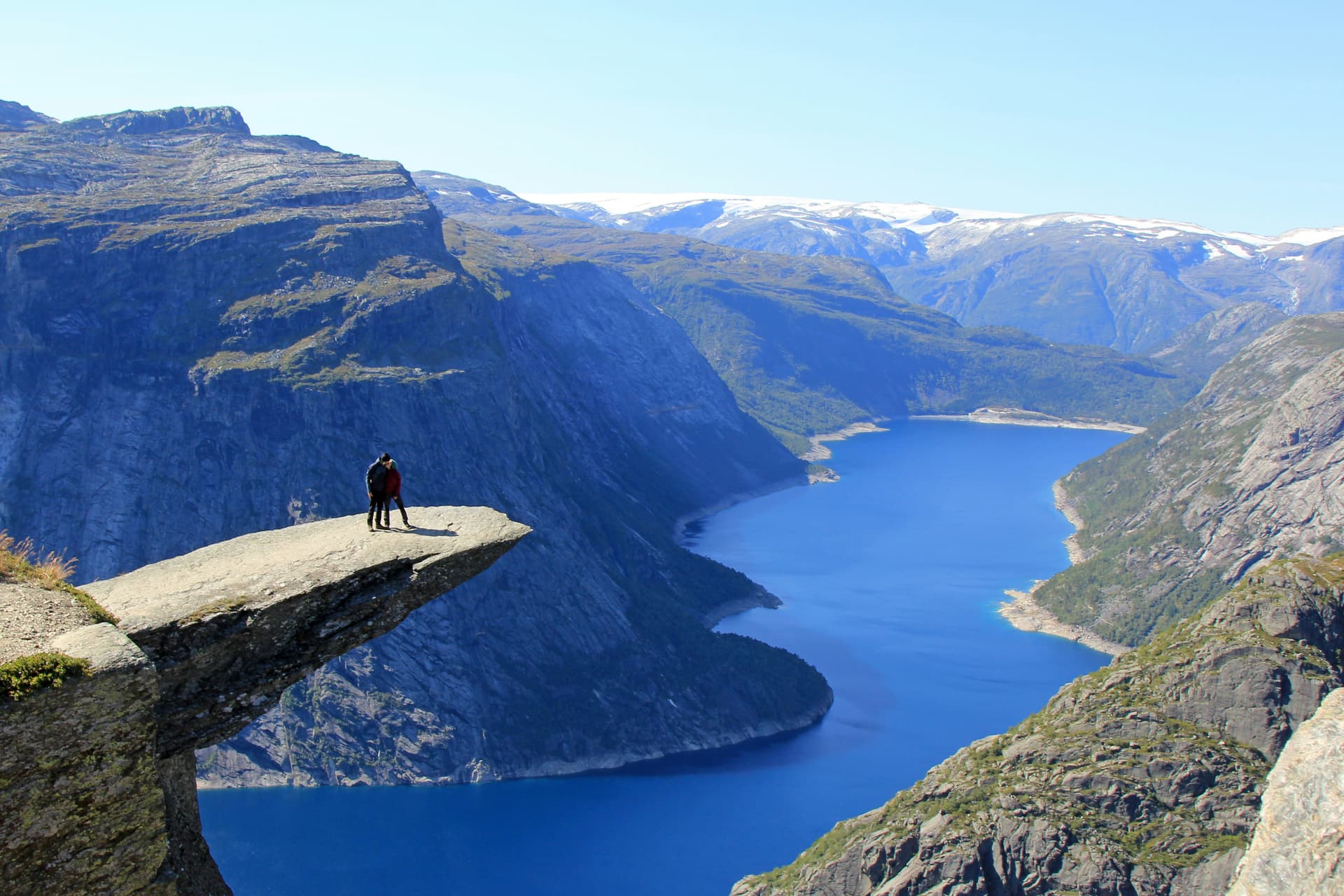
Hero Image

Season matters even more in Norway than in most mountain regions. With dramatic latitude, coastal weather systems, and terrain ranging from fjords at sea level to glaciers above 2,000m, choosing the right time can be the difference between a smooth hike and an impossible one.

The true hiking season in Norway is relatively short. Snow often lingers well into summer, and early autumn storms can close high trails quickly.
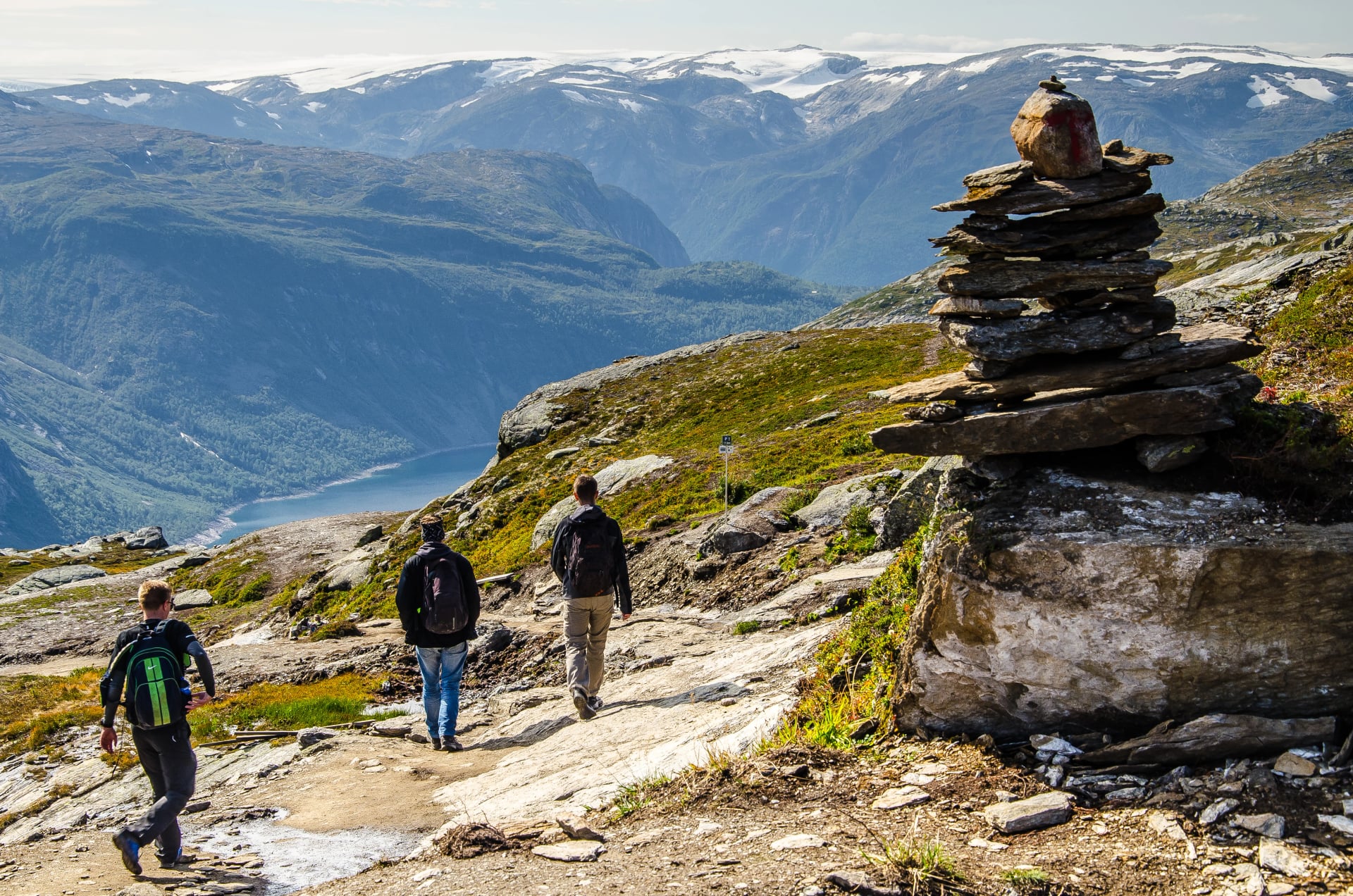
Three men hiking on the Trolltunga trail with a rock formation in foreground

Generally, the main mountain hiking season runs late June to early October, but the best time for your hike depends on region, elevation, and experience.

Hiking Seasons At a Glance: When to Hike in Norway

  • Spring (April–May): Great for lowland and fjord hikes; mountains still snow-covered.

  • Summer (June–August): Peak season. High trails open, long days, stable conditions.

  • Autumn (September–early October): Cooler, stable, colourful. Some of the best hiking of the year.

  • Winter (October–April): Not suitable for mountain hiking — this is ski-touring season.

Month-by-Month Breakdown

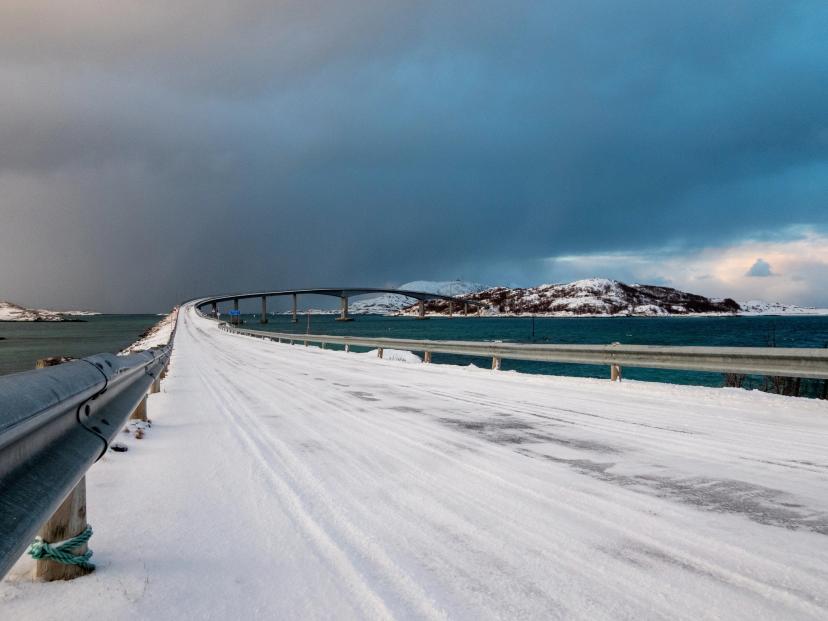
January image 1

January

January is deep winter across Norway, bringing very cold temperatures, snow, ice, and minimal daylight. Hiking options are mostly limited to coastal trails in the south and west or urban forest trail networks.

Temperatures usually range from –10°C to 3°C, depending on the region. Mountain areas are largely inaccessible without advanced winter skills, and avalanche activity is common in steep terrain. If hiking at all, it’s best to stick to marked lowland trails rather than attempting anything in the high mountains.

February image 1

February

February remains full winter, though daylight is slowly increasing. Hiking is mostly limited to fjord-level trails and forest paths near Oslo, Bergen, and Stavanger.

Temperatures range from –8°C to 4°C, and the mountain snowpack is deep, making the high country unsuitable for normal hiking. It’s an excellent month for winter activities, while coastal areas can have mild spells but stay wet and slippery.

March image 1

March

March is a transition month, though it’s still full winter in the mountains. Hiking is best in the fjords, coastal regions, and on low forest trails.

Temperatures range from –5°C to 6°C, while high routes remain completely snowbound and avalanches are still common. Some southern lowland trails begin to clear toward the end of the month, making March good for low-elevation scenery but not for mountain hikes.

April image 1

April

April brings spring at coastal levels while the mountains remain in winter conditions. The best hiking is in Fjord Norway below 600–800m, the Oslo forests, and along the Jæren coast.

Temperatures range from 2–10°C, and the snowline often sits around 1,000–1,200m. Trails are frequently wet, muddy, and unstable, offering beautiful early-season landscapes but requiring caution. It’s still important to avoid high plateaus such as Hardangervidda and Jotunheimen.

May image 1

May

May is beautiful in the lowlands, while the mountains are still transitioning out of winter. The best hiking is in the fjords, on low-level Lofoten routes, and through southern valleys. Temperatures range from 8–15°C, and rivers and waterfalls are at peak melt.

Snow remains above 1,300–1,500m, with only a few southern high trails opening late in the month — and even that is rare. May is ideal for scenic day hikes, but not for high mountain circuits.

June image 1

June

June marks the beginning of the real hiking season. The best areas to explore include the fjords, Lofoten, the Lysefjord region, and a wide range of low–mid mountain routes across the country.

Temperatures typically range from 12–20°C. Early June can still be snowy at high elevations, but by mid-month many of Norway’s most famous trails — Trolltunga, Besseggen, Romsdalseggen — begin to open.

July image 1

July

July is full summer and the most reliable month in the Norwegian mountains. You can hike across the entire country, including high mountain areas and national parks. Temperatures range from 15–25°C, often warmer in the south and east. Snow is mostly gone, lingering only on glaciers and some north-facing slopes.

Popular trails such as Reinebringen, Trolltunga, and Preikestolen can get very crowded. While afternoon showers are possible, the weather is generally stable. July is ideal for multi-day hut-to-hut hikes in regions like Jotunheimen, Rondane, and Hardangervidda.

August image 1

August

August continues the peak hiking season, offering warm, stable weather across all regions. Temperatures typically range from 14–22°C. It’s blueberry season, with forests full of berries, and while coastal areas may experience fog, the mountains usually stay clear.

This is an excellent month for longer treks or exploring less-known national parks such as Breheimen and Dovrefjell.

September image 1

September

September is arguably the best month overall for hiking in Norway. You can explore the entire country, with temperatures ranging from 10–18°C. Expect crisp, clear days, stunning autumn colours, and far fewer crowds.

Most high trails remain open through early to mid-month, and the weather is generally stable, though frost is possible later on. It’s a superb month for serious trekking, with Jotunheimen and Hardangervidda at their absolute best.

October image 1

October

October is a shoulder seasonbeautiful but unpredictable. Hiking is best at low to mid elevations, especially in the fjord regions and along the coast.

Temperatures range from 5–12°C, while early snow often appears above 1,000–1,200m. Many mountain huts close, and Western Norway becomes wetter. Forests turn brilliant gold, but mountain hiking grows risky as trails become icy and unstable.

November image 1

November

November marks the start of winter conditions. Hiking is limited to coastal trails and forest paths, where conditions are still manageable. Temperatures range from 0–8°C, while the high mountains are snowy and icy.

Expect short days and frequent storms, making higher elevations unsafe. It’s not an ideal hiking month, but low-level trails can still be enjoyable during dry, stable spells.

December image 1

December

December is full winter in Norway. Hiking is limited to very low elevations and coastal routes only. Temperatures range from –5 to 5°C, and snow returns to mid altitudes while ice forms on most trails.


This is the time to switch to winter gear or snow-based activities, as mountain hiking is not recommended.

Best Time to Hike by Region

1. Fjord Norway (Bergen, Ålesund, Geiranger, Hardanger)

A dramatic region of deep fjords, steep mountains, and early snowmelt at low elevations, covering much of western Norway along the North Atlantic coast.
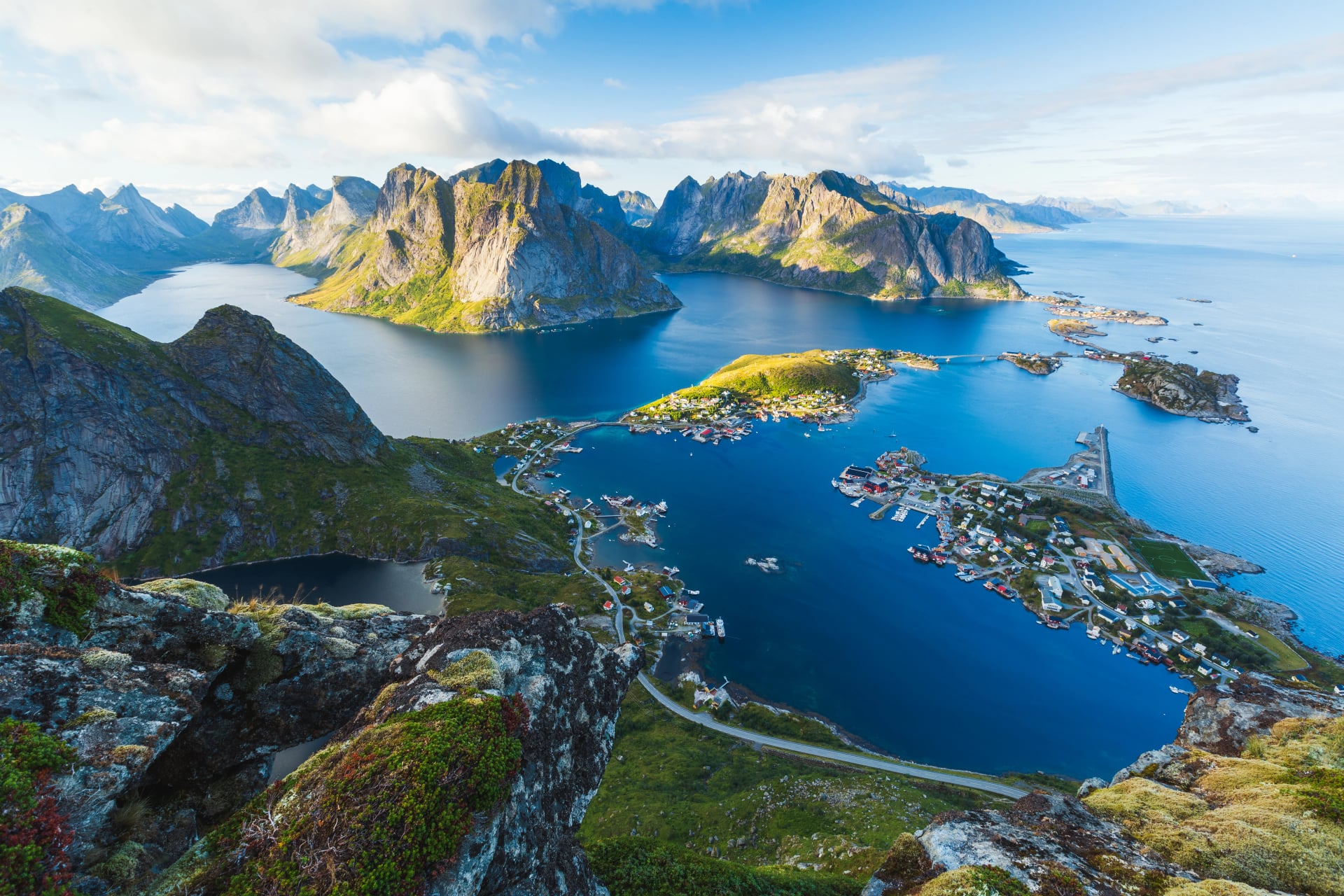
View of Reine in Lofoten, Norway

Best Time: May–October

Climate: Coastal, mild, wet

What to Expect:

  • Early-season hiking possible near sea level

  • High trails (Trolltunga, Folgefonna surroundings) open late June

  • Summer is warm and green

Watch Out For:

  • Frequent rain

  • Slippery rock surfaces

  • Rapid visibility changes

Pro Tip: Visit in September for stable weather and far fewer crowds.

2. Southern Mountains (Jotunheimen, Rondane, Dovrefjell)

Norway’s true high-alpine heart, located in central–southern Norway, with towering peaks, big plateaus, and the country’s most iconic mountain trails.
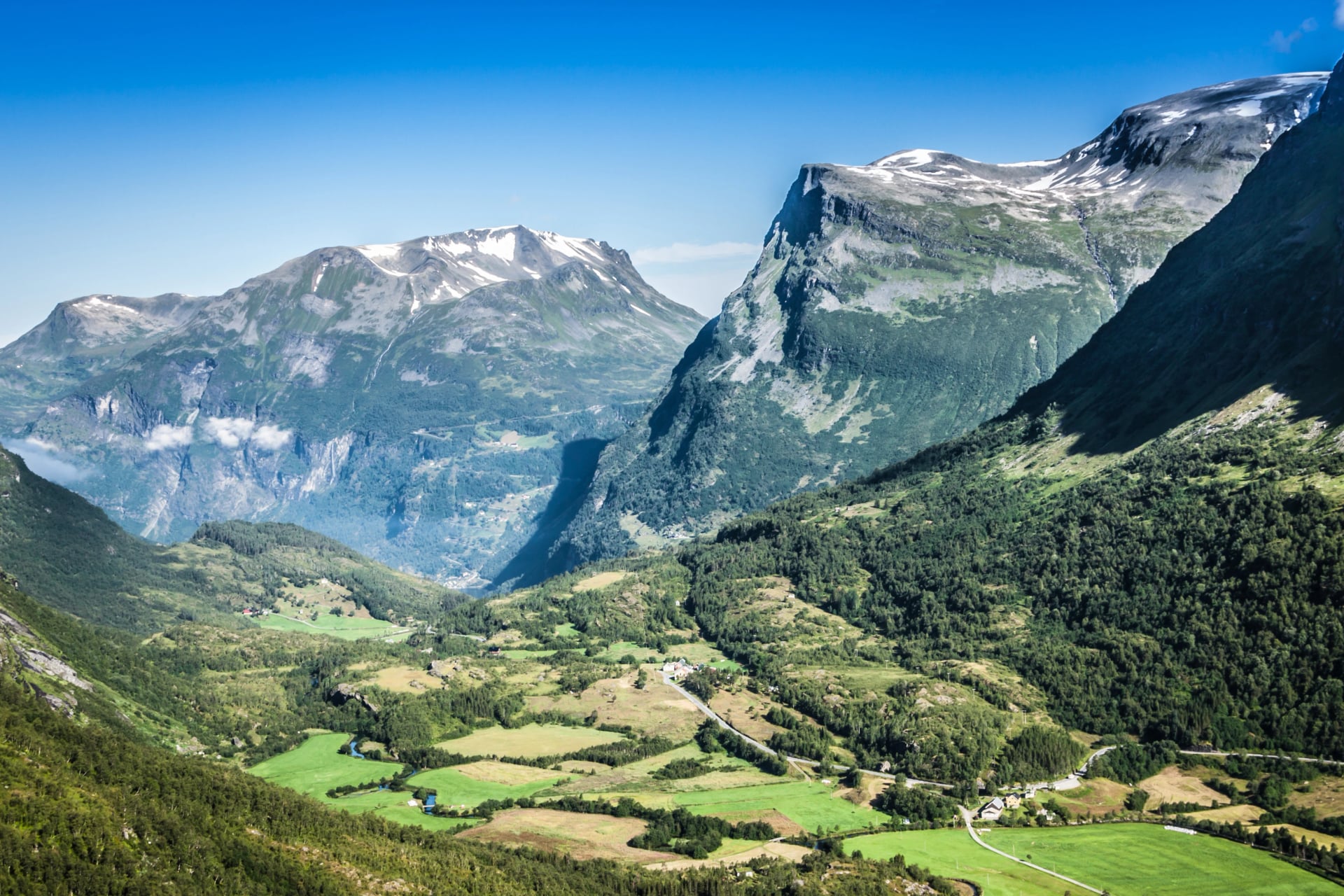
 Mountain scenery in Jotunheimen National Park in Norway
Mountain scenery in Jotunheimen National Park in Norway

Best Time: July–September

Climate: Alpine — long winters, short summers

What to Expect:

  • Snow often lasts into July

  • Famous hikes (Besseggen, Galdhøpiggen, Glittertind) at their best mid-summer

  • Clear, crisp early autumn conditions

Watch Out For:

  • Sudden storms

  • Night frost in late August/September

Pro Tip: Plan serious multi-day hikes for mid-July to late September.

3. Western & Northern Coast (Stavanger, Bodø, Helgeland Coast)

A long coastal stretch spanning western and northern Norway, known for mild maritime weather, rugged terrain, and dramatic sea–mountain landscapes shaped by the North Atlantic.
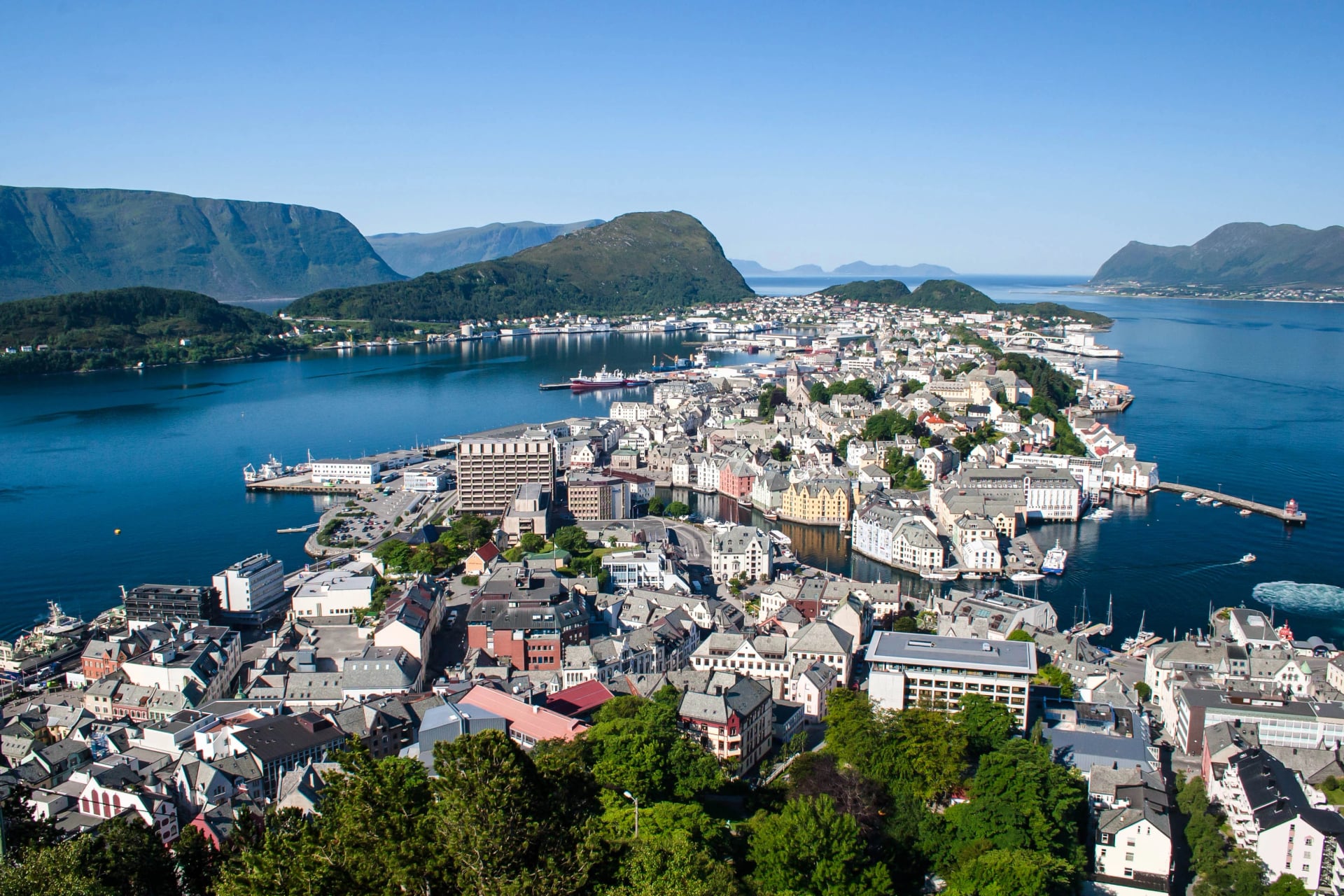
Norway a view of the city of Stavanger from an observation deck

Best Time: May–September

Climate: Oceanic — mild, variable

What to Expect:

  • Snow-free early compared to inland

  • Cool, windy even in summer

  • Ideal for scenic day hikes

Watch Out For:

  • Shifting weather

  • Wet conditions

Pro Tip: June and September give the best balance of dryness and daylight.

4. Lofoten & Vesterålen

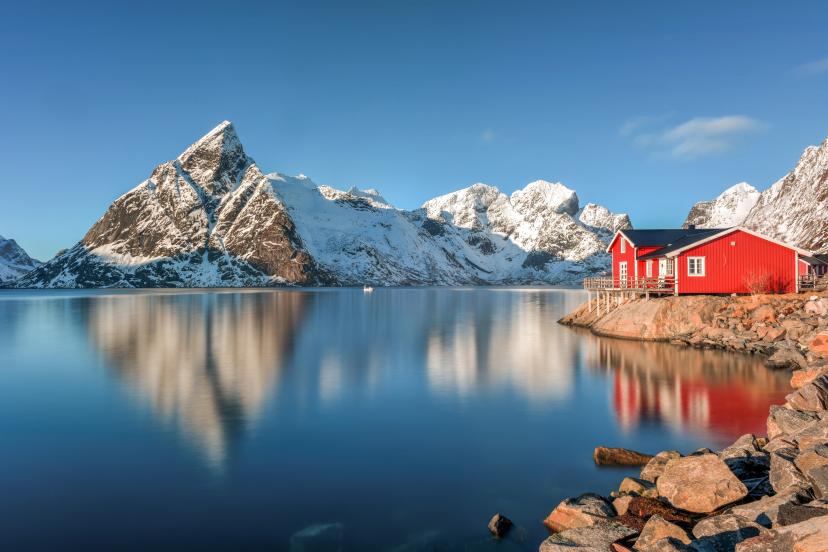
An island region in northern Arctic Norway, known for its Arctic-but-moderated climate and world-class coastal mountains rising sharply straight from the sea.
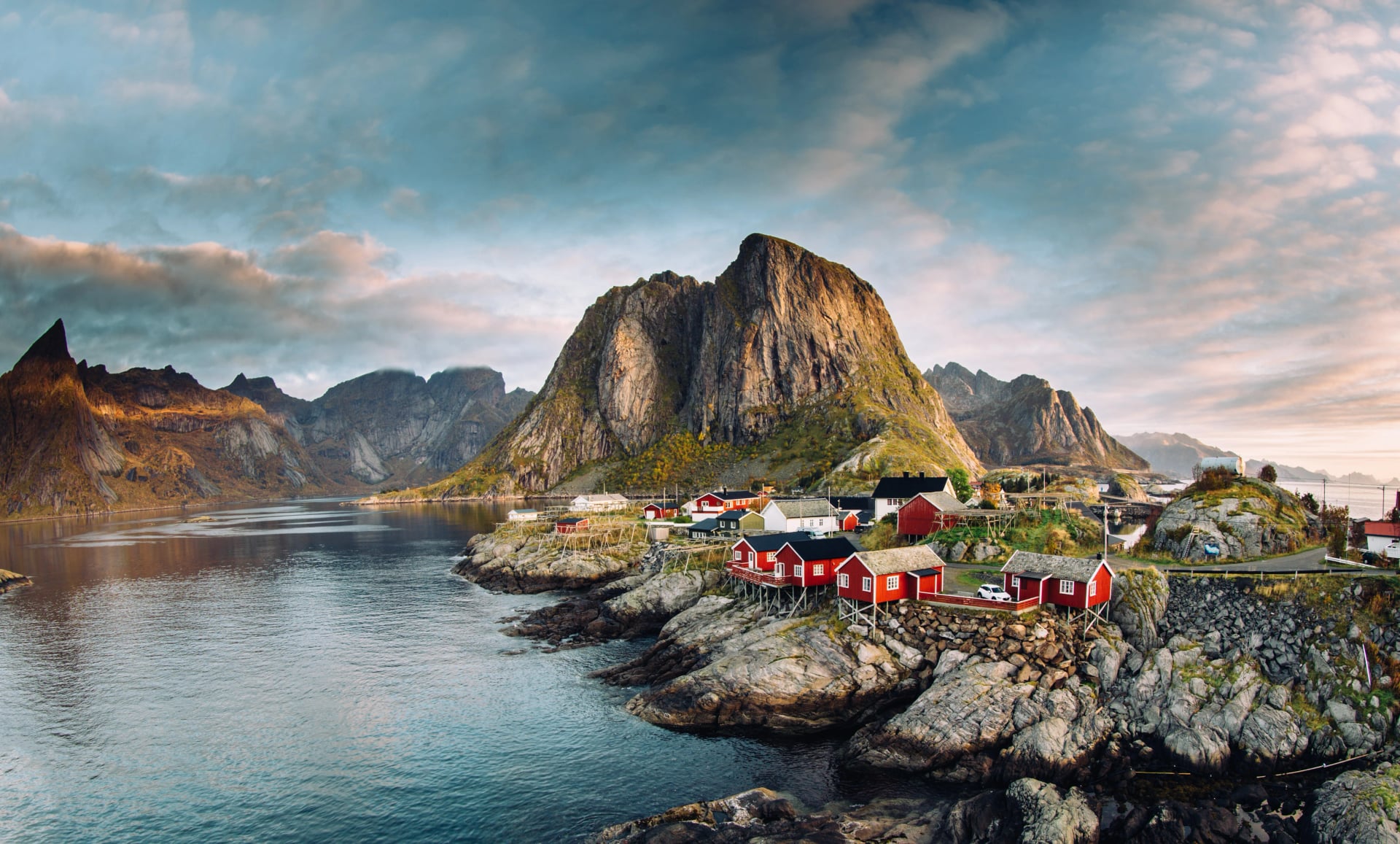
Norwegian fishing village at the Lofoten Islands in Norway. Dramatic sunset clouds moving over steep mountain peaks

Best Time: June–September

Climate: Cool maritime

What to Expect:

  • Snowmelt by June

  • Midnight sun in June–July

  • Very photogenic ridgeline hikes

Watch Out For:

  • Muddy trails in the early season

  • Very high winds possible

  • Crowds in July/August

Pro Tip: September brings magic lighting + fewer people.

5. Northern Norway & Finnmark

A remote and wild region in far northern Arctic Norway, featuring the Lyngen Alps, Troms, and the vast Finnmarksvidda plateau — rugged, open, and shaped by extreme seasonal contrasts.
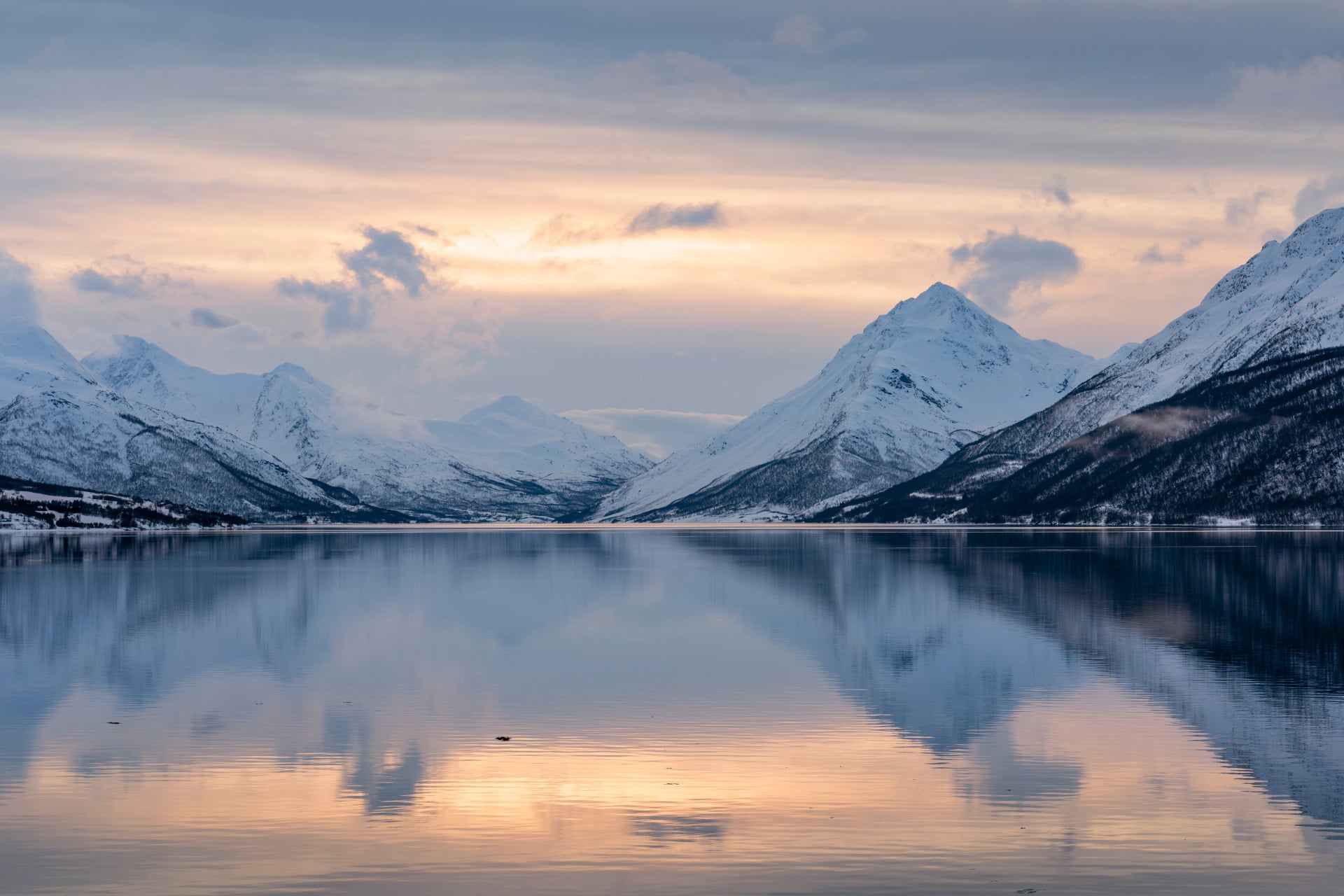
icy winter landscape in the Lyngen Alps, Finnmark in northern Norway north of the polar circle

Best Time: July–September

Climate: Arctic/subarctic

What to Expect:

  • Snow persists into early July

  • Clear summer days

  • Cold nights even in August

Watch Out For:

  • Mosquitoes in July (inland)

  • Rapid weather changes

Pro Tip: Late August/early September = perfect combination of colours and cooler air.

6. Lowlands & Forest Regions (Oslo, Trondheim, Østlandet)

Located in eastern and central Norway, these lowland and forested areas enjoy a much longer hiking season than the mountains, with accessible trails, mild conditions, and reliable early spring and late autumn walking.
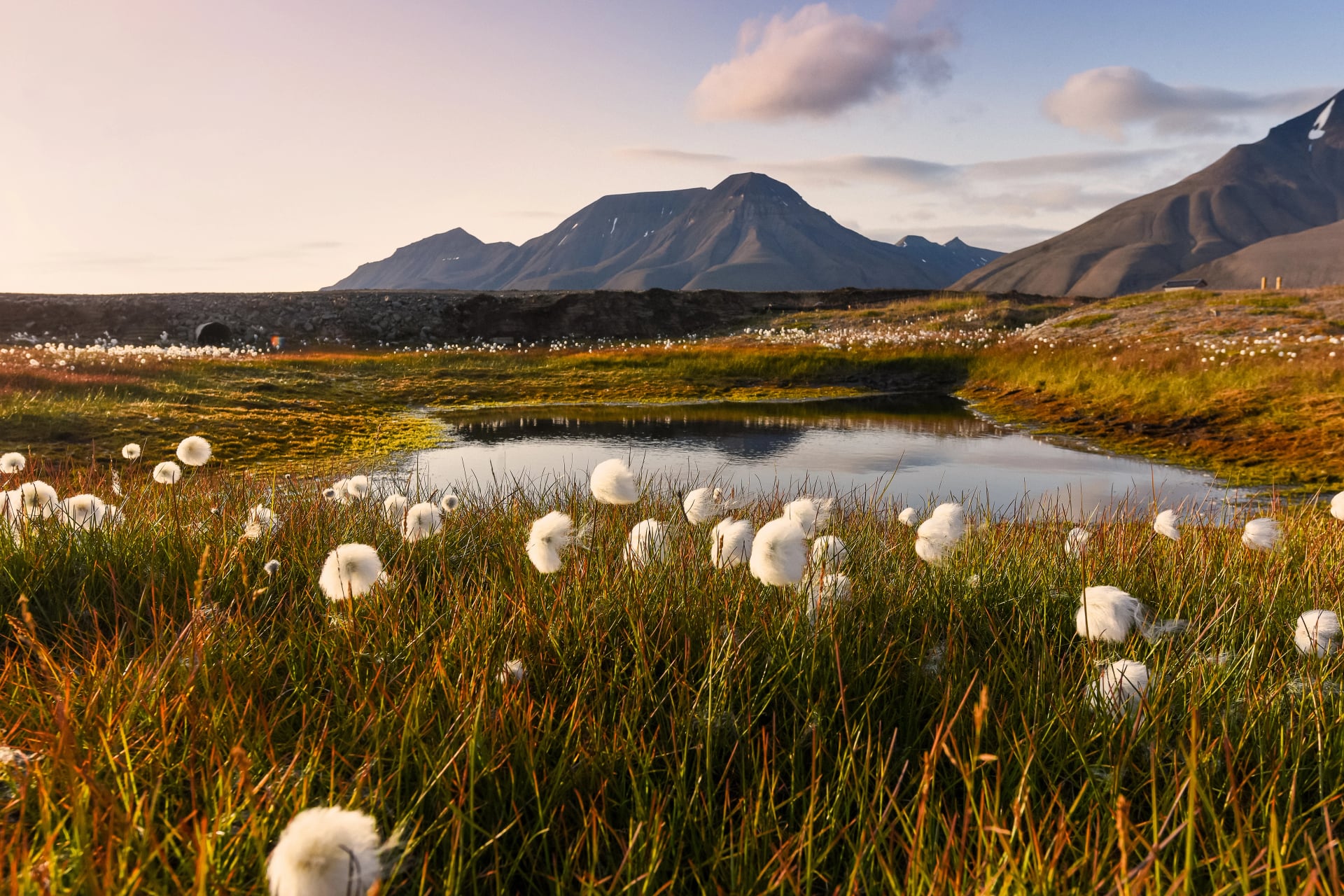
Wallpaper norway landscape nature of the mountains of Spitsbergen Longyearbyen Svalbard   on a flowers polar day with arctic summer in the sunset
Wallpaper norway landscape nature of the mountains of Spitsbergen Longyearbyen Svalbard on a flowers polar day with arctic summer in the sunset

Best Time: April–November

Climate: Continental/mixed

What to Expect:

  • Early spring hiking is possible

  • Warm summers, colourful autumns

Watch Out For:

  • Mud in April

  • Heatwaves in July

Pro Tip: Perfect for shoulder-season hiking when mountains are snowbound.

Quick Seasonal Summary

  • Fjord Norway: Best May–October

  • Southern Mountains: Best July–September

  • Western/Northern Coast: Best May–September

  • Lofoten: Best June–September

  • Northern Norway: Best July–September

  • Lowlands: Best April–November

Where to Check the Weather in Norway

Norwegian weather shifts quickly — especially in exposed mountain terrain.

Knowing when to hike in Norway helps you choose the right regions, routes, and elevations, and ensures you experience the mountains in the best possible conditions. Our Norway hiking itineraries are planned around typical seasonal weather patterns and trail accessibility, allowing you to focus on the hiking itself rather than the logistics.
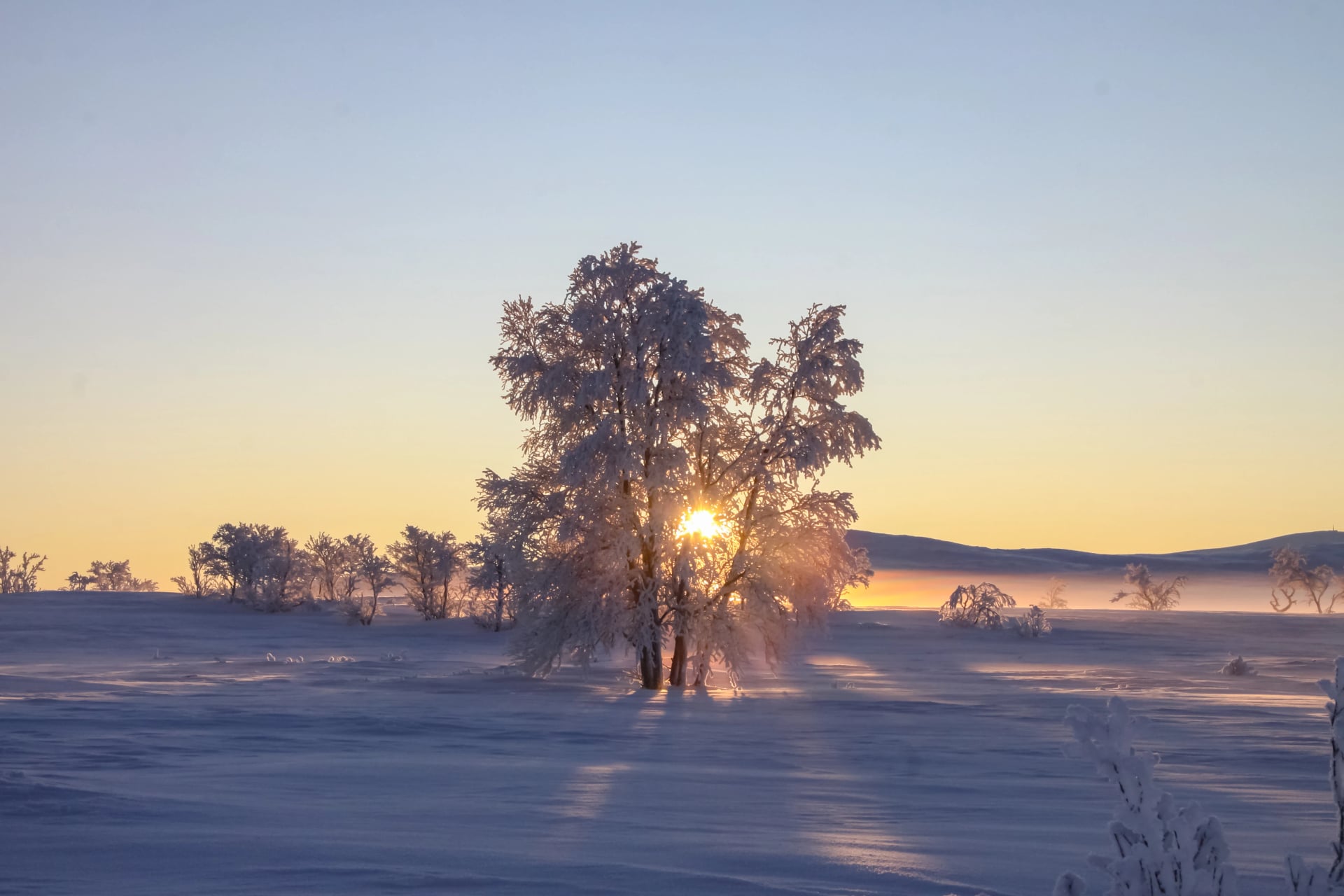
Winter in Røros area

If you’d like help finding the right trip or understanding which regions fit your dates and hiking level, get in touch and we’ll help you plan the ideal Norway hiking adventure.


Agent profile picture
Talk to our travel expert
HASSLE-FREE

HASSLE-FREE

We handle itineraries, accommodations, and anything else you prefer not to deal with, so you can enjoy a carefree hike.

BOOK WITH CONFIDENCE

BOOK WITH CONFIDENCE

We are a financially protected company, fully bonded and insured, keeping your money safe and allowing you to travel with confidence.

TRIED & TESTED ADVENTURES

TRIED & TESTED ADVENTURES

Only the best hut to hut hikes in Europe, cherry-picked by our local team with an in-depth knowledge of the region.

UNBEATABLE SUPPORT

UNBEATABLE SUPPORT

Our 24/7 customer support is where we show our passion, bringing you a better experience by making your well-being our number one priority.
Experience the best of Norway hut to hut hiking with personalized trips, cozy mountain lodges, and breathtaking Scandinavian landscapes on every trail.

Have questions? Talk to us.

Agent picture
Anja Hajnšek
Usually replies within 1 hour!
Google ReviewsTripAdvisor Reviews
Portfolio brand of:World Discovery